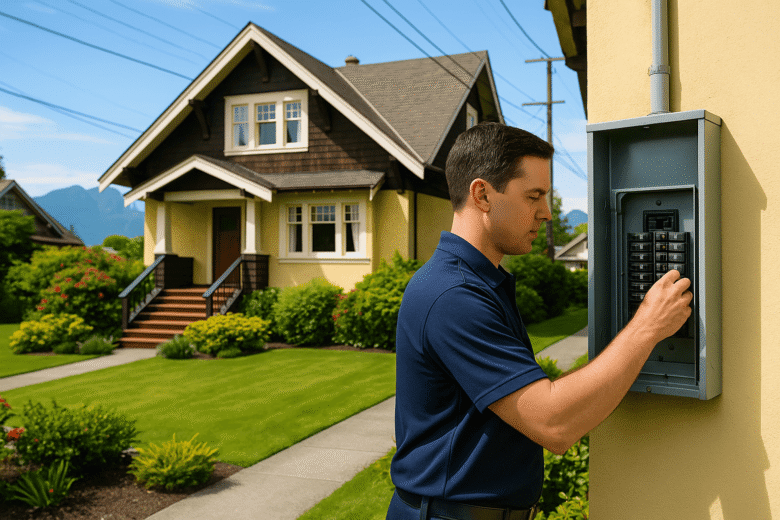
If you own or are planning to renovate a character home in Vancouver, chances are you’ve already fallen for its charm—original hardwood floors, arched doorways, and the kind of craftsmanship you don’t see in modern builds. But with that charm comes something less romantic: outdated electrical systems.
Many of Vancouver’s older homes—especially those built before the 1980s—were wired to meet the demands of a very different era. Back then, no one anticipated today’s need for high-powered appliances, EV chargers, or dozens of smart home devices. As a result, you might experience strange electrical issues that are more than just annoying—they can pose real safety risks.
ALSO READ: How White Label PPC Helps Electric Services in Canada
Below are 10 of the most common electrical problems we come across in Vancouver homes, and what you can do about them.
1. Knob and Tube Wiring
What Is It?
Knob and tube (K&T) wiring was widely used in homes built before the 1950s. It consists of ceramic knobs and tubes to support and insulate the wires, but it lacks a grounding conductor.
Why It’s a Problem
- Doesn’t meet modern electrical safety standards
- Can overheat and cause fires, especially if tampered with
- Most home insurers in BC won’t cover homes with active K&T wiring
What You Can Do
If your home still has knob and tube wiring, it’s time to consider a full electrical rewiring. The cost is well worth the peace of mind—and it can even increase your property’s resale value.
2. Outdated Electrical Panels
What to Watch For
- Lights dimming or flickering
- Circuit breakers constantly tripping
- Limited amperage (often 60A or 100A)
Older panels weren’t built to handle the power demands of today’s homes. If you’ve added a heat pump, hot tub, or electric vehicle charger, you might be overloading your system.
Solution
Upgrade your panel to 200 amps. At Handyman Electric, we’ve completed panel upgrades across Vancouver—from East Van bungalows to Kitsilano heritage homes.
3. Aluminum Wiring
The Background
Between the mid-1960s and late 1970s, aluminum wiring was used as a cheaper alternative to copper. It’s most commonly found in homes built during that window.
The Risk
- Aluminum expands and contracts more than copper
- This can loosen connections and cause overheating
- Higher fire risk and insurance challenges
Recommended Action
A licensed electrician can retrofit the aluminum connections with safe copper pigtails—or fully rewire the affected circuits.
4. Missing or Faulty Grounding
Why Grounding Matters
Grounding directs excess electrical current safely into the earth, preventing shocks and damage to your electronics.
Problems in Older Homes
- No grounding at all
- Grounding that’s deteriorated or incorrectly installed
- No ground wires at outlets
What to Do
An electrical inspection will reveal the current status of your grounding system. We often recommend upgrading during renovations or panel upgrades.
5. Two-Prong Outlets (Ungrounded)
You’ve probably seen these in older homes—those frustrating outlets that don’t accept modern three-prong plugs.
What’s the Issue?
- No ground means no protection against electrical surges
- Unsafe for modern electronics
- A sign of outdated wiring
Safer Alternatives
Install grounded three-prong outlets, or better yet, use GFCI outlets that provide extra protection—even without grounding (if wired correctly).
6. Overloaded Circuits
A Common Sight in Vancouver
Older homes often have just a few circuits powering entire rooms. Throw in a microwave, coffee maker, and space heater, and it’s a recipe for overload.
Symptoms
- Tripped breakers
- Warm or buzzing outlets
- Lights dimming when appliances turn on
Solution
Have a professional add dedicated circuits for high-demand appliances and redistribute loads for safety.
7. Missing GFCI and AFCI Protection
What They Are
- GFCI (Ground Fault Circuit Interrupter): Shuts off power when it detects moisture or ground faults. Required in bathrooms, kitchens, and outdoors.
- AFCI (Arc Fault Circuit Interrupter): Prevents fires from arcing faults, often required in bedrooms.
Older Homes Often Lack These
Without them, you’re vulnerable to shock hazards or electrical fires.
What To Do
Upgrading outlets and breakers to include GFCI and AFCI protection is one of the easiest ways to improve safety.
8. Exposed Wiring or Junction Boxes
This is particularly common in basements, attics, or crawlspaces that were partially finished or modified without permits.
Dangers
- Shock risk from exposed wires
- Fire hazards from overheating
- Code violations if you ever plan to sell
How to Fix
An electrician can properly enclose all junctions and secure any loose or exposed wiring to meet code and reduce risk.
9. Flickering or Dimming Lights
We get calls about this all the time in Vancouver—especially in homes with older panels or overloaded circuits.
Causes
- Loose wire connections
- Old or faulty light switches
- Overloaded circuits or substandard wiring
Solution
If changing the light bulb doesn’t fix the flicker, it’s time to bring in an electrician to check the wiring and electrical panel.
10. Inconsistent Power or Dead Outlets
Typical Signs
- Some outlets work, others don’t
- Power randomly cuts in and out
- Breakers don’t appear to be tripped
Possible Causes
- Damaged or corroded wires
- Faulty or worn-out outlets
- Rodent damage in the walls
What to Do
Don’t ignore dead outlets—they can signal deeper issues. A full inspection can identify hidden damage or unsafe wiring conditions.
When Should You Call an Electrician?
If your home shows any of the following signs, it’s time to bring in a professional:
- Frequent tripped breakers
- Warm or buzzing outlets
- Lights that flicker, dim, or buzz
- Two-prong outlets throughout the house
- A panel that still uses fuses
Even if your home seems “mostly fine,” regular electrical inspections can catch problems before they turn into expensive repairs—or worse, house fires.
How Vancouver Homes Compare: Then vs. Now
| Feature | Older Vancouver Homes (Pre-1980) | Modern Vancouver Homes |
|---|---|---|
| Electrical panel capacity | 60–100 amps | 200 amps |
| Wiring type | Knob & tube / aluminum | Copper / modern cable |
| Outlet grounding | Often ungrounded | Fully grounded |
| Circuit protection | Fuses / basic breakers | AFCI/GFCI protection |
| Load capacity per circuit | Low | High |
Final Thoughts
Vancouver’s older homes are beautiful and full of character, but their electrical systems weren’t built for modern life. From outdated panels to unsafe wiring, the risks are real—but they’re also manageable.
As licensed electricians based right here in Vancouver, we’ve helped hundreds of homeowners make their homes safer, more energy-efficient, and future-ready. Whether you’re renovating or just want peace of mind, we’re here to help.
Thinking about upgrading your electrical system? Book a consultation with Handyman Electric and let’s make your home as safe as it is stunning.